
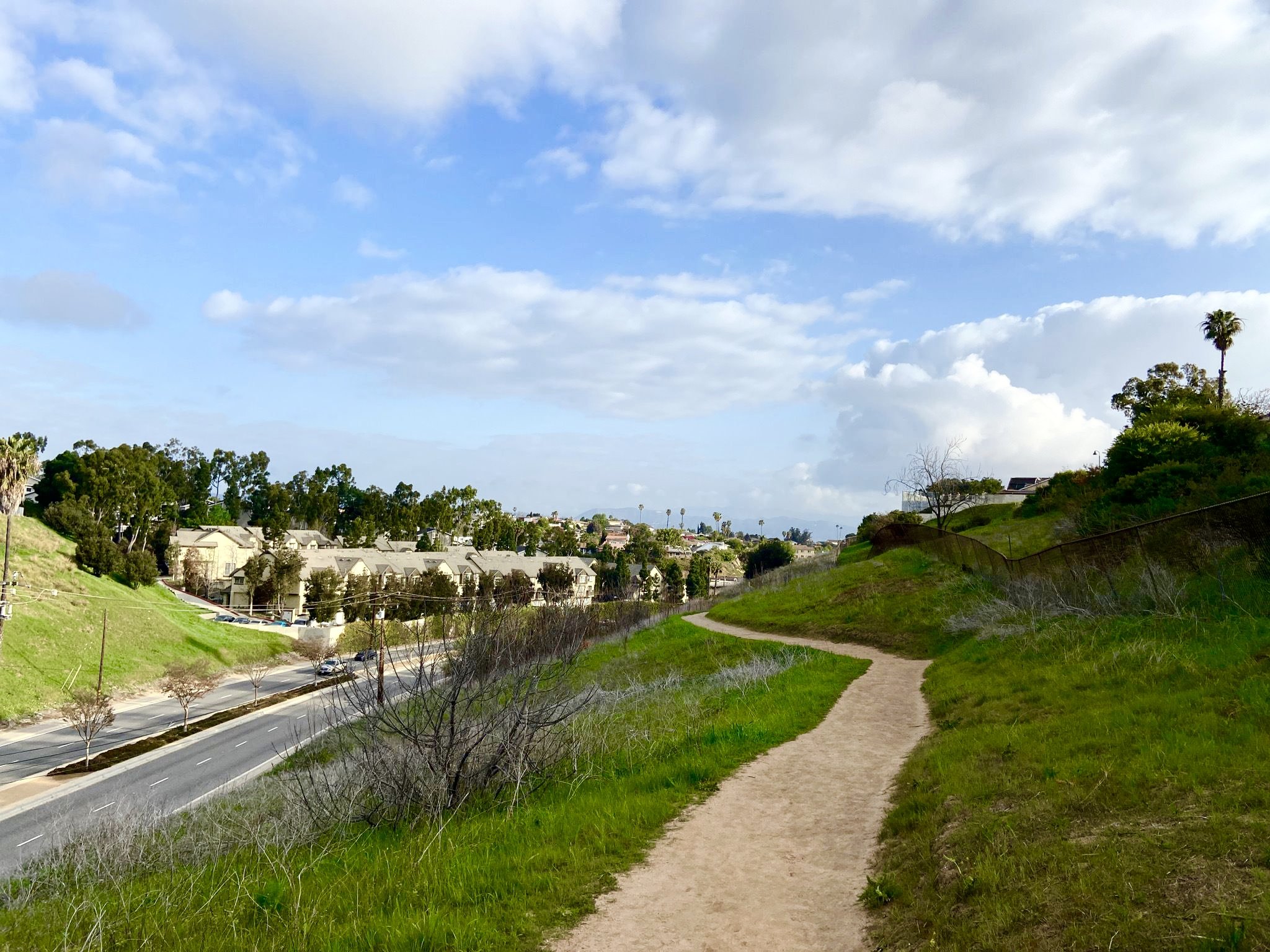
Medicinal + Native Plants of the Stocker Corridor Trail
In partnership with Community Nature Connection, Kinfolk Botanica presents a guide on the medicinal and native plants of the Stocker Corridor Trail in South Los Angeles (Tongva Land)
Community Nature Connection x Kinfolk Botanica
Herbalist and Kinfolk Botanica Founder Summer Vernon was selected to participate in the inaugural Outdoor & Coastal Access Leadership Institute (OCALI) created by Community Nature Connection. This three-month immersive course centered on understanding the complex issues involving outdoor equity in the coastal regions of Southern California. In particular, barriers to the outdoors that low-income and communities of color disproportionately experience and how to best develop projects that improve access and dissolve these barriers.
In response, Summer’s final project addresses one of the common barriers to outdoor access—knowledge. The more you know about a public space before you go, the more likely you are to step out of your comfort zone and explore. This project emphasizes reimagining Los Angeles trails to center discovery and exploration of the local flora, while providing purpose and educational resources for trailgoers. Summer called upon her experience as an herbalist to create a native and medicinal plant guide of one of her favorite trails, the Stocker Corridor Trail in South Los Angeles. This simple guide is designed to encourage folks, especially those in marginalized communities, to explore outdoor spaces through an alternate lens—in this case, through native and wild plant life.
The Stocker Corridor Trail


Nestled in the hills of South Los Angeles, the Stocker Corridor Trail is the first stop on the Park to Playa Trail. This trail guides you through South Los Angeles beginning with the Stocker Corridor Trail, through to Kenneth Hahn State Park, into the Baldwin Hills Scenic Overlook, through Culver City via the Ballona Creek Bike Path, and ending at the Pacific Ocean—13 miles of outdoor coastal goodness.
Know Before You Go
-
Address + Hours
This trailhead sits on the corner of Overhill Drive and Stocker Street in Baldwin Hills. There is an alternate entrance at Presidio and Stocker Street with street parking if you prefer to hike east to west.
The trail is open from sunrise to sunset
-
Parking
Free parking is located in the parking lot on the south east corner of Stocker Street and Overhill Drive.
The lot connects directly to the trailhead and is open daily from 7 a.m. - 7 p.m.
-
Acccesibility
This is a moderate 2.8-mile out-and-back dirt trail with mild inclines and uneven terrain throughout. While there is wheelchair access from the parking lot, due to the uneven, unpredictable terrain, this trail is not recommended for wheelchairs.
-
BIPOC-Friendliness + Safety
This trail has moderate foot traffic and is incredibly BIPOC-friendly due to it being located in a predominately black and brown neighborhood.
Medicinal + Native Plants of the Stocker Corridor Trail
Stocker Corridor Trail is filled to the brim with a diversity of plant and animal life waiting to be explored. Below, you’ll learn more about some of the native, invasive and medicinal plants* along the trail. We hope this guide can encourage exploration, discovery, and most of all, fun. So, go slow, take pictures, and enjoy!
-
Native
Plants that are native to California. These plants are instrumental to the local ecology and serve as integral food and medicine sources for native people and our non-human relatives.
-
Invasive
Plants that are not native to California and have infiltrated the landscape, often pushing out important native species.
-
Medicinal
Plants that are known to have medicinal qualities in either their roots, stems, leaves, flowers, or seeds, or all of the above. These plants can either be native, non-native, or invasive.

California Sagebrush
Native + Medicinal
California Sagebrush is a pungent aromatic native coastal shrub with silvery-green, soft, featherlike leaves. This perennial plant is native to central and southern California and the Baja region. It emerges through the rainy season from November through April, peaking in May and June, and goes dormant through the dry summer season.
-
Botanical Name: Artemesia californica
Plant Family: Asteraceae (sunflowers, daisies, chicory)
Traditional Use: One of the many folk remedies using California sagebrush involve using the leaves to make a tea compress or a liniment (a high-proof alcohol plant extraction used as a topical for pain relief) to soothe sore muscles. It’s also been documented for use as a tea or tincture (alcohol extraction for internal use) to aid in digestion, and to ward off colds and coughs.
-
This is one of the first plants you’ll encounter on the trail, with the first sighting right at the main entrance, and scattered along the hillside as you continue along. This round-ish shrub is most easily identified late winter through early summer when its silvery-green feathery leaves are soft and aromatic. For an amplified sensory experience, gently run your fingers over a leaf and smell for instant aromatherapy.

Black Sage
Native + Medicinal
Native to central and southern California, black sage is the most common sage in California and is characterized by it narrow, textured, oval leaves that have a mild pungent aroma. In its flowering stage, the plant has pale purple and white blooms which can typically be found from April - July.
-
Botanical Name: Salvia mellifera
Plant Family: Lamiaceae (mint, lavender, lemon balm)
Traditional Use: Black sage has been traditionally used to treat pain internally as a tea or tincture, or externally as a compress, poultice, or soak. It has also been used to treat colds, coughs and sore throats.
-
You’ll meet black sage upon beginning your trail walk, and encounter them many times throughout your hike. Keep an eye out for the narrow, oval shaped aromatic green leaves, and long flowering stems with light purple flowers stacked vertically like the floral Tower of Pisa.

Wild Oats
Invasive + Medicinal
Wild oats is the same plant we use to make oatmeal! Most likely brought over from Europe and Asia, wild oats is the wild counterpart to the cultivated Avena sativa. This wild weed sways across Los Angeles hillsides, freeway off-ramps, parks, and many other places throughout the city beginning in early spring. Wild oats easily seed making it incredibly invasive
-
Botanical Name: Avena fatua
Plant Family: Poaceae (barley, millet, bamboo)
Traditional Use: As a food, wild oats have been traditionally harvested at its seed stage and milled for oatmeal and porridge. Medicinally, wild oats are an incredible medicine that calms the nervous system. The immature seed pods are tinctured (alcohol extract) when in their milky latex stage (aka milky oats) and taken internally to calm the nervous system. The stems, also known as oatstraw, and mature tops known as oat tops, are also great as teas to bring on the calm.
-
Two- to three-foot blades are known to pop up abundantly in the early spring showcasing tall stems with their signature teardrop shaped pods that hang downwards towards the earth. These die down as the summer approaches and go to seed.
Black Mustard
Invasive + Medicinal
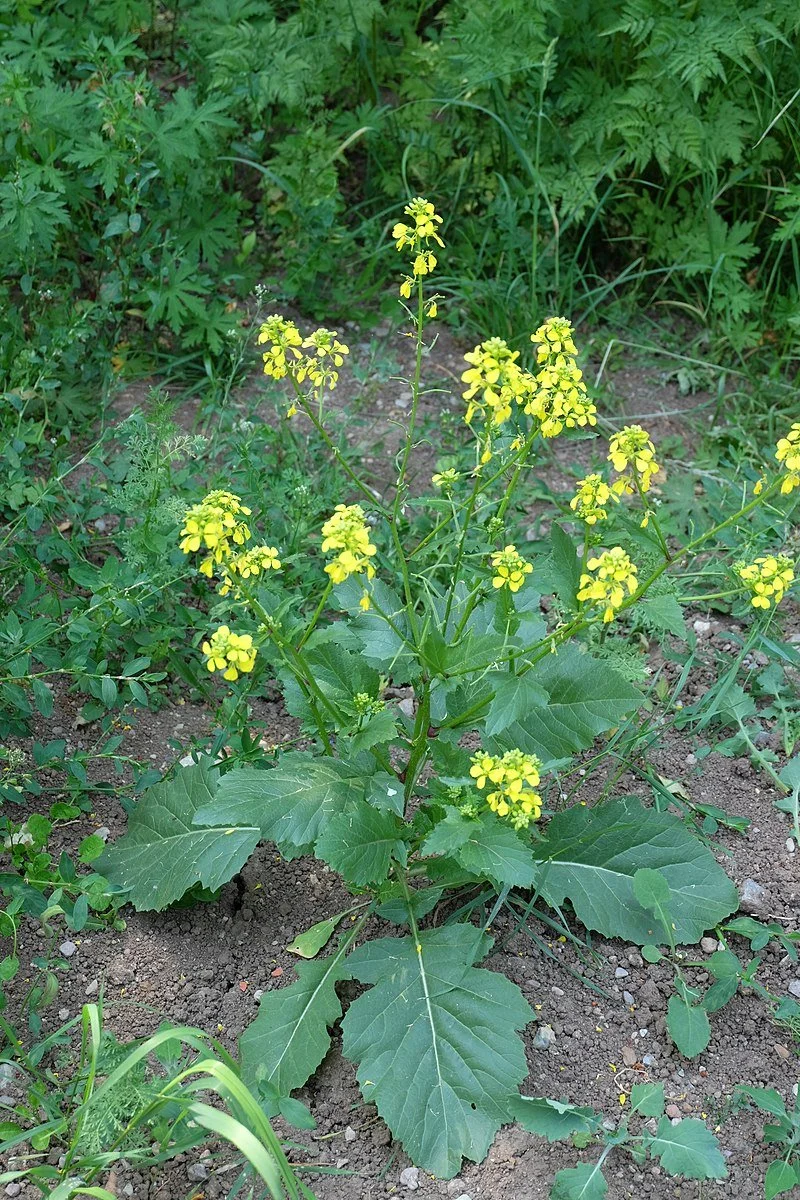
Native to Europe, black mustard has become extremely invasive in Southern California. The bright yellow flowers illuminate hillsides from the coast to the desert during the spring and early summer. While the blooms seem to light up the landscape, the presence of black mustard has become a big threat to the native plants. The seeds of black mustard germinate in the early winter before native plants have had a chance to take hold, taking the natural resources that native plants need to mature. The plant also produces chemicals that prevent germination of native plants, and the exponential spread of the plant is said to increase the frequency of fires, threatening the coastal sage scrub and chaparral habitats.
-
Botanical Name: Brassica nigra
Plant Family: Brassicaceae (kale, collard greens, broccoli)
Traditional Use: The seeds of the mustard plant have been traditionally used in many cultures to treat congestion stemming from the cold and flu. The seeds are ground into a paste and applied externally to the chest as a poultice to help break up mucus. The seeds have also been used to make an oil that is said to have anti-inflammatory properties. They’ve also been used internally as a digestive aid and liver support, however; moderation is recommended since it’s been known to have a laxative effect.
-
Flowering in the spring through early summer, black mustard covers the hillsides with its distinct bright yellow flowers and can grow more than 6 feet tall! You can identify them by their bright yellow flowers with four petals, and their alternate dark green, lobed leaves that climb along a tall sturdy stem.

Castor Bean
Invasive + Medicinal + Toxic
The castor bean plant is native to Africa and is considered an invasive, toxic species. The plant is characterized by its large star-shaped palmate leaves and can be found growing throughout Los Angeles in “waste” places such as sidewalks, freeway onramps, vacant lots, and most likely, on every hike you’ve been on. While it looks like a gorgeous tropical plant, it is highly invasive, seeds profusely, and often overtakes the native species of the region.
-
Botanical Name: Ricinus communis
Plant Family: Euphorbiaceae (cassava, spurge)
Traditional Use: While the plant is considered highly toxic, traditionally, castor bean oil has been used medicinally for a range of ailments. A common folk remedy was to make a poultice out of castor oil to relieve pain, stimulate the liver, stimulate lymphatic circulation, reduce inflammation, and more! In its highly processed form, which is what you’ll currently find in stores, castor oil is safe to use externally.
-
The large, green palmate leaves are hard to miss since they are scattered throughout the northern hillside. In late spring and early summer, look for spiky round, green or red balls that are the seed pods.

Coastal Prickly Pear
Native + Medicinal
Native to Southern and Baja California, coastal prickly pear is an evergreen shrub that shows up in dense stands along the hillsides of Los Angeles. Characterized by their wide flat pads called nopales that have yellow spikes, this cactus produces a bright yellow flower that turns into round red fruit that we call prickly pear or tunas.
-
Botanical Name: Opuntia littoralis
Plant Family: Cactaceae (cholla, saguaro, barrel cactuses)
Traditional Use: Both the young pads and fruit of the coastal pricky pear are traditionally enjoyed as food throughout Mexico and the southwestern United States. For medicine, nopales can be split open to reveal a mucilaginous inner meat that can be used to heal wounds, similar to aloe. The pulp or juice of tunas have been used to treat digestive disorders, high blood pressure, and other ailments.
-
As you stroll along the dirt trail, you’ll find large stands of coastal prickly pear year-round on either side of you. Take notice of what time of year it is. You’ll find the bright yellow cactus flowers blooming in the spring which make way for the red fruit to emerge throughout the summer.

Sweet Fennel
Invasive + Medicinal
Native to southern Europe, sweet fennel is an invasive species that stands four to ten feet tall. Its green feathery leaves are characterized by a strong anise or licorice scent. In the late spring and early summer, you’ll find the plant overtaken with clusters of small yellow flowers on small stems, emulating small upside down umbrellas. This plant reproduces from both its large root crown and the plethora of seeds it produces, which is why you see them all over the hillsides and disturbed spaces of Los Angeles, often pushing out native plant species.
-
Botanical Name: Foeniculum vulgare
Plant Family: Apiaceae (celery, parsley, carrots)
Traditional Use: Fennel has been used for centuries as a digestive aid and appetite suppressant. It has well documented use as a way to prevent stomach cramping and alleviate gas, and has been documented as improving mental alertness. It is traditionally prepared as an herbal tea for these purposes.
-
In the early spring, you’ll find the stalks shooting up with their signature feathery leaves that smell of licorice. As summer approaches, these plants tower over of the hillsides showcasing their bright yellow flowers and dainty leaves.

Toyon
Native + Medicinal
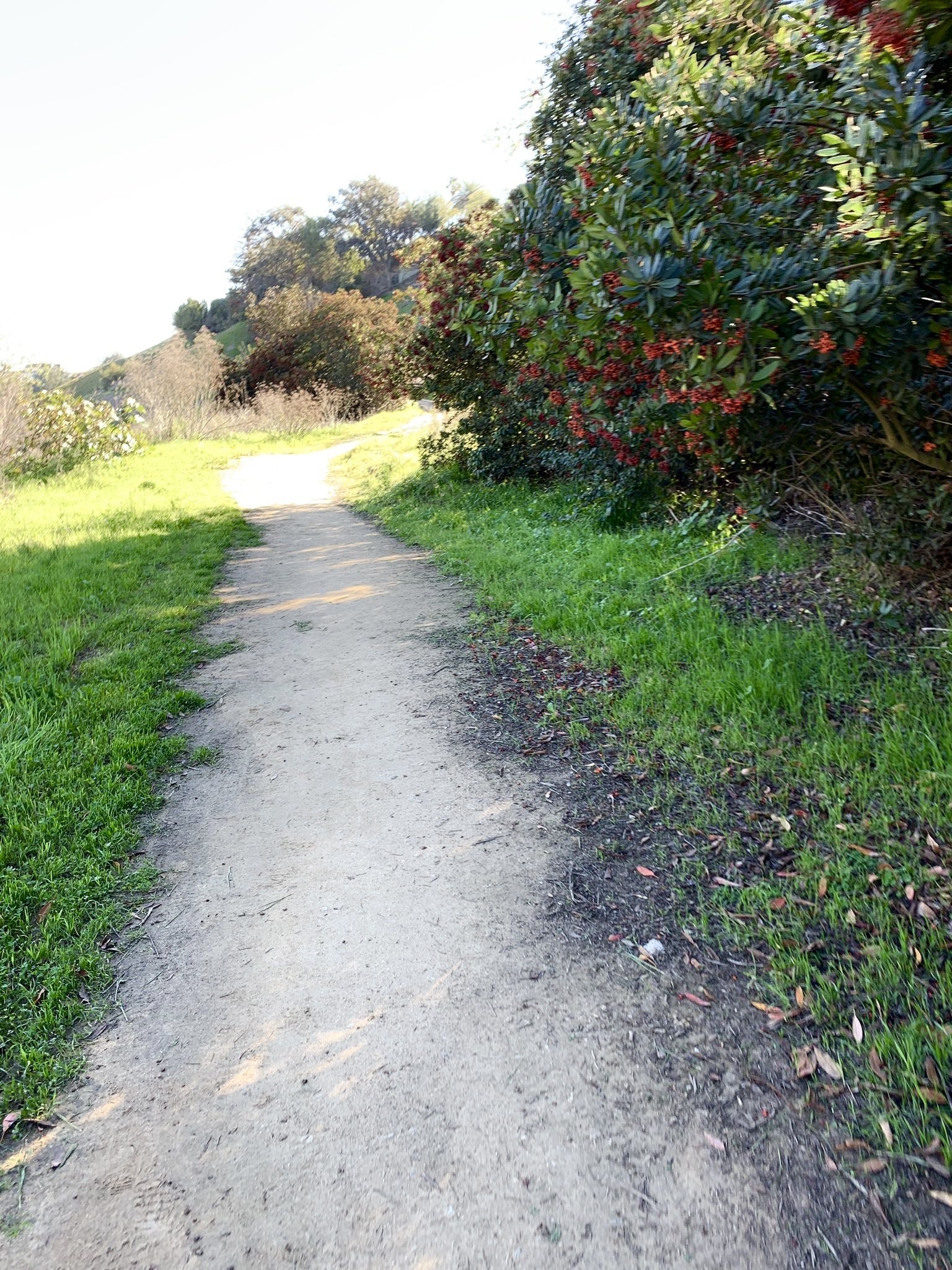
Toyon is a large evergreen shrub with toothed green foliage. Toyon, which is the official native plant of Los Angeles, generally flowers in the summer and produces berries from winter to early spring, but can vary depending on how much rainfall we get any given year.
It has been said that early colonizers initially thought it was holly that they found growing in the northern hills of Los Angeles and subsequently the name Hollywood was born; however, it was really toyon that blanketed the now famous Hollywood Hills, which is sometimes referred to as California holly.
-
Botanical Name: Heteromeles arbutifolia
Plant Family: Rosacea (roses, peaches, cherries)
Traditional Use: Toyon is a very important food and medicinal source for the native peoples of the land, as well as for animal habitats who feed on the berries and nest in the large shrubs. The fresh and dried berries have been used to treat inflammation, improve immune response, and aid in digestion.
-
Scattered between the oak trees, you’ll see tall, tree-like shrubs with toothed green leaves, and either tiny white flowers or small red berries, depending on the season. Towards the end of the “out” portion of the trail walk, take a rest and enjoy a well-placed bench that sits right beneath a towering oak tree and a toyon shrub. Take in the views and sip some water before you continue on.

Narrowleaf Milkweed
Native + Medicinal
Narrowleaf milkweed is native to California and is a flowering perennial with long pointed leaves that blooms in the summer with white, lavender, and/or pink blossoms. Milkweed is the only plant that can host the larvae of Monarch butterflies.
-
Botanical Name: Asclepias fascicularis
Plant Family: Asclepiadoideae
Traditional Use: It has been documented that there are over 300 medicinal uses for milkweed according to the University of Michigan’s Native American Ethnobotany database. This native plant has been used by Native Americans for centuries. The crushed milkweed leaves have been used externally to treat wounds, while the root has been made into a powder or juice and applied topically to treat wounds, boils, and rashes. There is also documentation that milkweed was often used to treat snakebites. Beyond medicine, the silky seed fibers, which are spun on a hand-held wooden spindle, have been made into yarn, and woven into fabric.
-
Small patches of milkweed can be found on the tail-end of the trail after you cross Valley Ridge Drive. May - October, keep an eye out for thin stalks about 4-feet high with clusters of white, pink or lavender flowers, and narrow leaves.
*Please note that this guide is strictly for educational purposes only. Kinfolk Botanica strongly discourages any foraging of native plants in Los Angeles and its environs by anyone other than the native people of this land. However, foraging for invasives, such as wild mustard, oats, etc., is generally acceptable but it’s best practice to ensure there is no spraying of herbicides or pesticides.
Further, the information presented in this guide has not been evaluated by the Food and Drug Administration and is not intended to diagnose, treat, cure, or prevent any disease. Consult with a qualified healthcare practitioner or experienced herbalist before using herbs for medicinal purposes, particularly if you are pregnant, nursing, or on any medications.
Questions? Please contact kinfolkbotanica@gmail.com